- Food Safety Modernization Act (FSMA)
- Sanitary Transportation of Food Rule
FSMA: Sanitary Transportation of Human and Animal Food Rule

The Sanitary Transportation of Human and Animal Food Rule establishes requirements to prevent food contamination during transit. It is often called simply the Sanitary Transport Rule. It sets minimum requirements for:
- Vehicles and transportation equipment
- Transportation operations
- Training carrier personnel
- Recordkeeping
Based on industry feedback, the Rule only addresses safety risks, since quality issues that do not pose a safety risk are already covered by the Food, Drugs & Cosmetics Act (FD&C). It provides a science-based framework for entities to develop product-specific safety protocols rather than mandating universal requirements.
The Sanitary Transportation Rule is part of the Food Safety Modernization Act (FSMA). The U.S. Food and Drug Administration (FDA) enforces it. It mandates more specific requirements than the 2005 Sanitary Food Transportation Act (SFTA).
How the Rule achieves its goal
The Sanitary Transportation of Human and Animal Food Rule implements science-based regulations at a critical supply chain point, clarifies shipper responsibility, and allows entities to develop protocols based on their unique risk factors.
Whereas some FSMA rules, such as the Pre-Harvest Agricultural Water Rule, minimize contamination early in the food production process, this Rule focuses also on record-keeping during travel between locations in the food supply chain.
The Sanitary Transport Rule outlines proactive steps to maintain sanitary equipment, such as proper cleaning between loads, and to ensure safety during transport, such as adequate temperature controls.
Shippers hold primary responsibility for determining safe transport protocols, but may delegate responsibilities through contractual agreements. Shippers and carriers can negotiate specific safety control measures, including temperature requirements.
Records, including carrier personnel training documentation, must be maintained for one year.
Who must comply
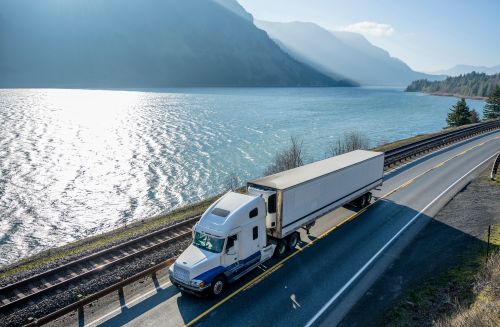
The Sanitary Transportation of Human and Animal Food Rule applies to all shippers, receivers, loaders, and carriers involved in motor vehicle or rail transport of food intended for domestic consumption. It covers products that will enter the domestic food supply and those intended for export until they reach U.S. ports or borders.
Excemptions
Exemptions include:
- International shipments transiting through the U.S.
- Businesses with annual revenue below $500,000
- Air or ship transport
Product exemptions include:
- Compressed food gases
- Unprocessed human food byproducts for animal feed
- Shelf-stable containerized food not requiring temperature control
- Live food animals (except molluscan shellfish)
- Farm activities
Noncompliance
Noncompliance penalties for the Sanitary Transport Rule include fines, increased inspections, audits, and legal actions, including seizure or injunction.
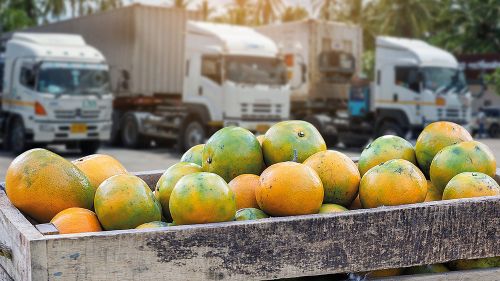
How can covered entities comply with the Sanitary Transportation of Human and Animal Food Rule?
Automating the tracking of important data during transport helps shippers and receivers comply with the rule without significant capital investment or increasing the workload with manual recordkeeping processes.
Continuous temperature tracking during transport
Automated real-time monitoring of temperature during transport is required for food that must be kept at a stable temperature. With cellular gateways on motor vehicles or railcars, it is possible to track temperature information while in transit with timestamped electronic records.
Automated traceability systems with RFID
- Dock door automation systems integrate with vendor MES/ERP systems. This solution leverages RFID technology over IO-Link and moneo Track & Trace software, and can cost under $50k per door.
- Barcodes fall off, smudge, and are prone to manual errors. Leverage RFID solutions to track inventory in transit by logging data with hardware implemented on trucks.
Reason for the Rule
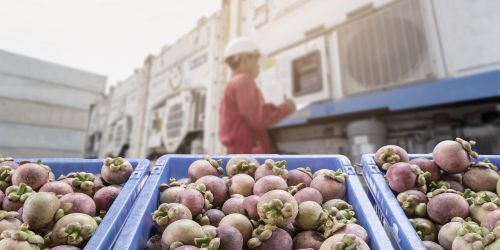
Investigations of foodborne illness outbreaks revealed food contamination originating from unsanitary transport conditions and unclear responsibility assignments between shippers and carriers. Like the rule to protect against intentional adulteration, the Sanitary Transport Rule reduces contamination through better tracking of food through the supply chain.
History
The 2005 SFTA and 2011 FSMA mandated the FDA to establish sanitary transportation regulations.
