- Food Safety Modernization Act (FSMA)
- Produce Safety Rule
FSMA: Produce Safety Rule

The Produce Safety Rule establishes minimum standards for growing, harvesting, packing, and holding produce for human consumption. It is part of the Food Safety Modernization Act (FSMA) and enforced by the U.S. Food and Drug Administration. (FDA).
Key requirements
The Produce Safety Rule’s key requirements set standards that cover:
- Agricultural water quality
- Biological soil amendments
- Enhanced safety protocols for sprouts
- Domesticated and wild animal access to crops
- Worker training on health and hygiene
- Sanitation of tools, equipment, and buildings
Agricultural water requirements
Farmers must maintain agricultural water quality to prevent produce contamination during harvesting, transport, cooling, and washing. The Rule covers water that is in contact with produce and food surfaces.
Biological soil amendments requirements
This requirement addresses biological soil amendments of animal origin (BSAAOs). Untreated BSAAOs are materials such as manure, blood meal, bone meal, animal mortalities, and table waste that have not been treated by composting, thermal treatment, chemical processes, or other treatments.
Untreated BSAAOs must not contact produce. Farmers must minimize the risk of BSAAOs contacting produce after being added to the soil. Stabilized compost must meet maximum bacterial level requirements.
The FDA is researching the ideal interval between raw manure application and harvesting. It recommends observing 120-day and 90-day intervals per the USDA National Organic Program.
Sprouts
Sprouts require special handling due to pathogen risks. Farmers must:
- Test irrigation water from each batch during or after harvest.
- Confirm negative pathogen results, including Listeria, before release for sale.
- Take corrective action for any positive tests.
Domesticated and wild animal access to crops
Farmers must apply the same contamination standards for livestock and working animals as for wildlife. These include visually inspecting for contamination before harvest and not harvesting affected produce. Since animals may remain in growing areas, farmers should not destroy their habitats.
Worker Training
Farm workers who handle produce or food-contact surfaces must receive health and hygiene training and follow sanitation standards for containers, equipment, and tools to prevent contamination.

How the Rule achieves its goal
This Rule establishes minimum safety and water quality standards and safe handling practices. They produce contamination by minimizing microbial risks from animal and human sources.
Who must comply
Farms with average annual produce sales exceeding $25,000 over the previous three years must comply with the Produce Safety Rule. This rule uses the same definition of a "Farm" as established in the Preventive Controls for Human Food rule, including both Primary Production Farms and Secondary Activities Farms.
Exempt activities include farms growing food grains, produce that undergoes commercial processing, and crops not commonly consumed raw (see exemptions list for details).
Noncompliance
Noncompliance may result in financial penalties, increased inspections, audits, or legal actions such as seizure or injunction. The FDA can revoke exemptions for farms linked to foodborne illness investigations.

How can farms comply with the Produce Safety Rule?
Automated monitoring systems of critical water supply lines allow farmers to focus on core operations by streamlining quality control, recordkeeping, and compliance.
Wastewater remediation
Farmers are able to reuse brown water for irrigation of produce, and smart sensors can help with chemical dosing to treat water for reuse.
Tracking livestock access to crops
Many farmers commonly use RFID tags to track activities of beef and dairy cows to monitor their health, activity, and safety. It is possible to use this technology to also automate monitoring of when livestock access which crop fields. This helps ensure that farmers have adequate information to ensure safe timelines between animal access and harvesting activities.
Real-time irrigation system monitoring
- Smart flow and pressure sensors track water quality and movement.
- Smart sensors measure tank levels and water temperature during blanching, washing, and rinsing.
- IO-Link communication sends time-stamped data recordings to historian software for recordkeeping.
Reason for the Rule
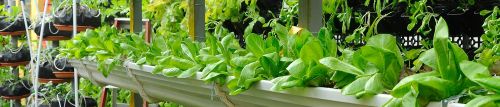
FDA investigations of severe foodborne illness outbreaks have traced contamination to produce, particularly through irrigation water in sprout production.
Timeline
Compliance is rolling out based on farm activities and farm monetary value:
General Requirements (Non-Sprout Operations)
- January 2018: Large farms (>$500,000 annual produce sales)
- January 2019: Small farms ($250,000-$500,000 annual produce sales)
- January 2020: Very small farms ($25,000-$250,000 annual produce sales)
Sprout Operations
- January 2017: Large farms (>$500,000 annual produce sales)
- January 2018: Small farms ($250,000-$500,000 annual produce sales)
- January 2019: Very small farms ($25,000-$250,000 annual produce sales)
Harvest and Post-Harvest Water Requirements
- January 2022: Large farms (>$500,000 annual produce sales)
- January 2023: Small farms ($250,000-$500,000 annual produce sales)
- January 2024: Very small farms ($25,000-$250,000 annual produce sales)
Pre-Harvest Water Requirements
- April 2025: Large farms (>$500,000 annual produce sales)
- April 2026: Small farms ($250,000-$500,000 annual produce sales)
- April 2027: Very small farms ($25,000-$250,000 annual produce sales)
- Annual produce sales are calculated based on a rolling 3-year average.
In the news
Updated May 2026
- LSU Researchers are Developing Farm-to-Packaging Produce Safety Strategies (March 2026)
- New FDA Risk Assessment Informs FSMA Requirements for Raw Manure Use on Produce (March 2026)
- FDA Releases Produce Regulatory Program Standards (February 2026)
- USDA Proposes Increasing Poultry, Pork Line Speeds (February 2026)
- USDA Takes Action To Lower Food Costs on Consumers and Strengthen the Supply Chain through Proposed Changes to Line Speed Rules (February 2026)
- FDA outlines 2026 food safety and nutrition priorities (February 2026)
- Boar's Head Reopens Production Facility Behind Fatal Listeriosis Outbreak (February 2026)
- How to Deal With FDA's Food Hauling Rules (February 2026)
- Produce Safety (January 2026)
