Smart clean-in-place system replaces manual cleaning
Automated CIP system boosts food safety, efficiency and compliance
Placer Process Systems’ customer, a frozen meal producer, did not have a CIP system so the task of cleaning the process lines was performed by hand, an inefficient and labor-intensive process that posed food safety risks. To address this, Placer Process Systems partnered with the end-user’s engineers to design and implement a fully automated CIP system, complete with a network of supply and return lines.
The new system integrated with existing machine controls enabled tool tracking, real-time monitoring, and automated notifications. It included rinse and chemical tanks, a heating system, chemical dosing, process instrumentation, and an HMI-based control panel to automate the cleaning cycles.
ifm’s reliable, food-grade process sensors played a critical role in ensuring precise monitoring and control, contributing to the overall success of the project.

Results
- Fully automated CIP system eliminated manual cleaning, reducing labor demands.
- Consistent and repeatable cleaning cycles ensured food safety compliance and process reliability.
- Real-time monitoring of temperature, chemical concentration, and cycle duration enabled precise control.
- Automated data logging supported CIP validation record keeping.
- Minimized risk of chemical spills, improving plant safety and reducing environmental hazards.
- Reduced likelihood of product recalls due to chemical contamination.
- Shortened CIP cycle times through accurate conductivity measurement, increasing available production time.
- Enhanced overall plant efficiency and operational uptime.
The challenge
- Absence of an automated CIP system, necessitating manual cleaning of process lines.
- Manual handling and blending of hazardous chemicals by plant operators, creating serious safety risks for personnel.
- Increased risk of environmental contamination due to potential chemical spills during manual cleaning processes.
- Time-consuming manual cleaning methods, leading to reduced production efficiency and lost operational time.
- No system in place for monitoring or data logging, preventing verification of cleaning parameters and compromising food safety compliance.
The solution
- LDL conductivity transmitter was mounted on the CIP system for phase detection to immediately determine the transition from cleaning solutions to rinse water. This conductivity sensor precisely controlled chemical concentration so excess chemicals were not used and sent to drain. The sensor also prevented cross contamination of cleaning solutions, ensuring product quality.
- SMF flow meters verified CIP return flow, ensuring proper cleaning of the process and keeping product quality high.
- PI pressure sensor ensured tanks were completely emptied and no cross contamination occurred.
- LMT100 level sensors detected low and high levels in the tanks, keeping them from overfilling and wasting product.
- TD temperature transmitters were used to monitor temperature accurately during each CIP phase to ensure cleaning cycles met food safety standards.
Technologies
Explore the underlying technologies that power this solution.

LDL conductivity sensors enabled measurement at each process segment verifying the product and confirming cleaning or rinsing has been properly completed.

SMF sanitary magmeters accurately and reliably measured flow during the cleaning process operation, offering a robust design that resisted alkaline and acidic cleaners as well as temperature fluctuations.
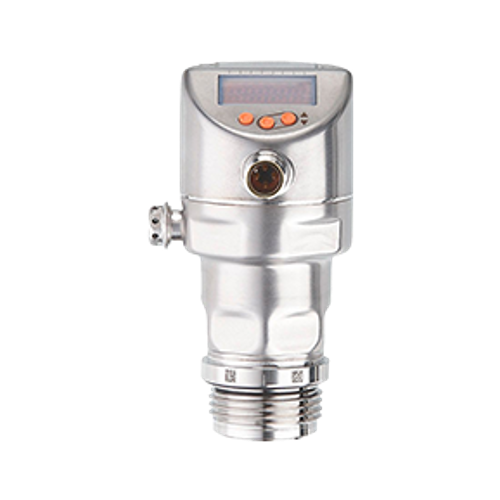
PI series sanitary pressure and level sensors, equipped with integrated displays, identified liquid presence/level in the tanks.
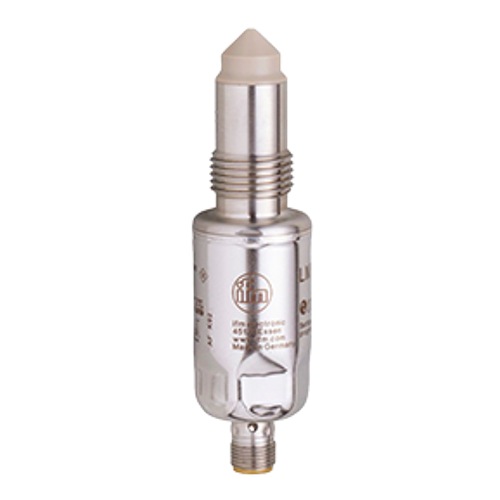
LMT point level sensors measured liquid levels in the tanks keeping them from overfilling.

TD sanitary temperature transmitters with fully-welded 316 stainless steel housings, which eliminate moisture ingress, a major contributor to sensor drift and failure, ensured proper cleaning cycles.

IO-Link technology allowed the sensors to communicate the health and condition data via ethernet for processing. IO-Link communication provided fully digital data, resulting in higher quality measurements eliminating analog conversions.

Jump to:


