Productivity and capacity increase in dairy farms
Affordable solution reduces CIP time, cuts costs, and boosts production
The dairy industry was undergoing a period of profound change. Traditional dairy consumption was on the decline, with per capita milk consumption steadily dropping as more consumers shifted toward plant-based alternatives like almond, oat, and soy milk. This change in consumer behavior, coupled with rising production costs and increasing competition from non-dairy options, placed significant pressure on dairy farms. The industry faced a challenging paradox: while demand for dairy products waned, operating costs continued to rise, creating limited flexibility in pricing and squeezing profit margins.
Our client needed a strategy to support dairy farms navigating this evolving landscape. The goal was to identify solutions that could enhance operational efficiency without requiring significant upfront capital, making them practical and accessible even in a tight-margin environment. Lowered cost and increased efficiency of a system would raise the number of potential dairy farms who could benefit from it.
ifm was the right partner because of our wide array of process solutions that are competitively priced.

Results
- 20 minutes per day shorter cleaning cycle, leading to corresponding increase in production time.
- 60% reduction in system cost by using ifm process sensors.
- Savings from reduction in chemical and water treatment usage.
- $38,000/year efficiency improvement from shorter cleaning cycles.
The challenge
- The high price of their current conductivity sensor only allowed the customer to purchase one unit per system. The customer had to make a compromise as to the best place to install the conductivity sensor, which meant controlling the cleaning cycle from a single point at the end of two circuits.
- Multiple input channels were required to collect conductivity and temperature data to verify that the system had achieved the proper conductivity and temperature at the CIP return.
- The current sensors/controls allowed remote connectivity to obtain the process values only. However, there was no interface available to access diagnostic information on the sensors that would assist in future support requests.
The solution
- ifm’s LDL100 conductivity sensor allowed the customer to install additional monitoring points at the supply and return of each cleaning circuit, effectively shortening their CIP loop. This allowed the customer to accurately track the phase shifts between each cycle (wash/rinse/product) at multiple points and clearly identify when the cycle was complete.
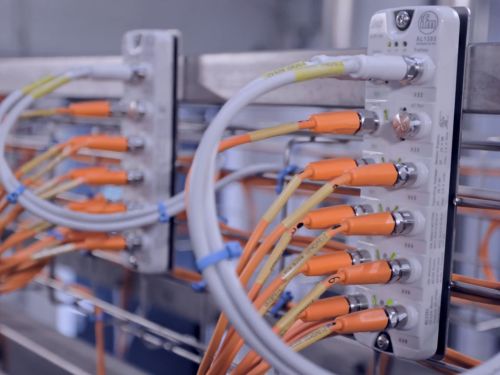
- ifm’s IO-Link sensors and Ethernet modules allowed the customer to collect multiple process values from a single ifm device, reducing installation and wiring costs, and optimizing their control system by collecting multiple process values through a single output wire. They were also able to develop customized alerts and alarms based on the additional process and diagnostic values available from ifm IO-Link sensors.
Technologies
Explore the underlying technologies that power this solution.

LDL conductivity sensors enabled measurement at each process segment verifying the product and confirming cleaning or rinsing has been properly completed.
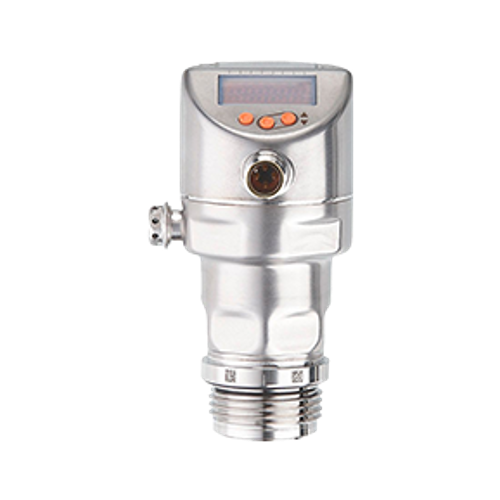
PI/PM sensors enabled collection of such process values as pressure and level, leading to the higher visibility and process control.
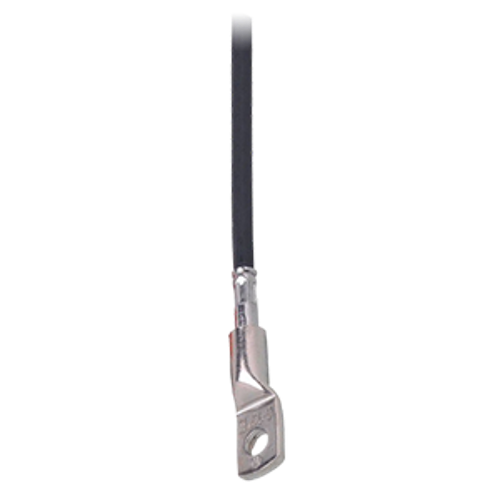
TP/TS temperature sensors were used throughout the system to monitor temperature in the pipes and tanks ensuring proper cleaning process cycle.

IO-Link technology is fundamental in real time monitoring and is embedded in ifm sensors. This technology allows the sensors to communicate the health and condition data via ethernet for processing. IO-Link communication provides fully digital data, resulting in higher quality measurements eliminating analog conversions.
Gain a competitive edge with ifm
To learn more about ifm sensor systems and asset reliability products to improve the performance of your complete operation contact your local ifm Sales Engineer or email cs.us@ifm.com.

Jump to: