OG photoelectric sensor in M18 barrel housing
The M18 threaded design is the most commonly used format for photoelectric sensors in both automation and the food industry. ifm’s OG photoelectric sensor series is available in plastic, metal, and stainless steel housings and includes through-beam, retro-reflective, and diffuse models. Depending on the version, sensor adjustments can be made using either a potentiometer or a pushbutton. Sensors in the OG wetline series feature fixed detection ranges for quick and easy setup.
Three product families in the OG photoelectric line

Industrial automation
metal housing
- IP67 housing
- -25 to 80ºC ambient temperature
- Programmable via push buttons

Food & beverage
SST housing
- IP69K
- -25 to 80ºC ambient temperature
- Use in harsh applications where high-pressure cleaning is present

Industrial automation
plastic housing
- IP65, Low-cost option
- -25 to 60ºC ambient temperature
- Well suited for conveying and material handling applications
Testing procedures for Food & Beverage applications: Robust stainless steel housing
Extreme testing ensures top quality
In hygienic and wet areas, photoelectric sensors must withstand frequent cleaning cycles. Water spray and steam tests demonstrate that the sensors switch reliably and consistently maintain their set detection range.
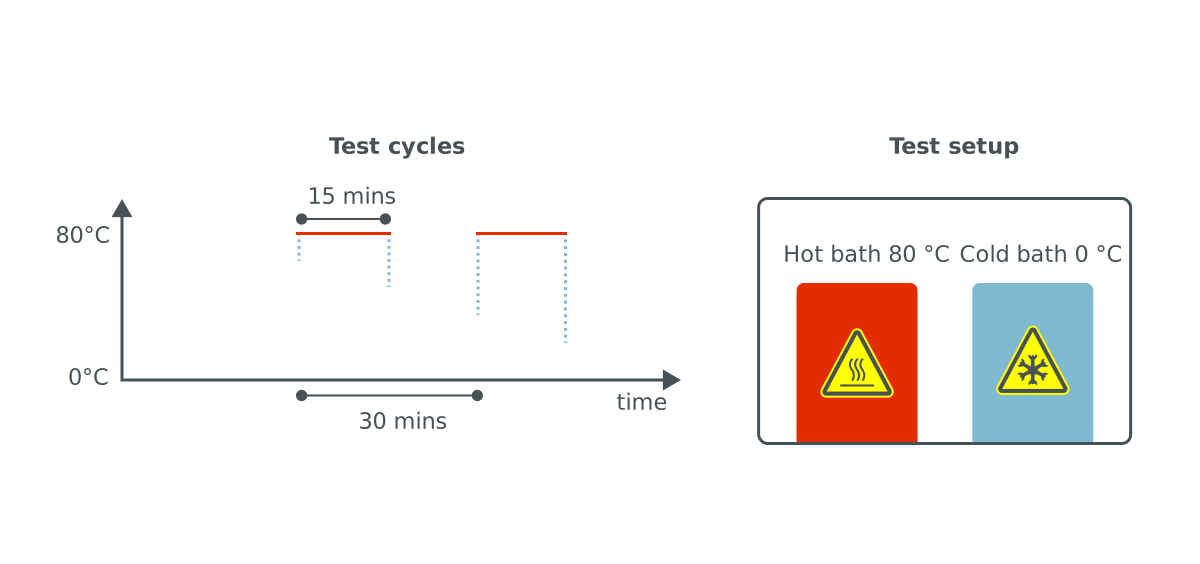
Thermal shock testing
Temperature shock testing demonstrates suitability for environments with fluctuating temperatures ranging from -25 to 80 °C. The sensor undergoes 40 cycles of rapid temperature change between 0 and 80 °C. Afterward, they pass rigorous visual inspections, high-voltage, and insulation resistance tests to ensure full functionality.
Steam testing
A specially developed steam boiler test validates the effectiveness of the dual-sealing design around the potentiometers and flush-front lens. Sensors are exposed to 95% humidity and rapid temperature shifts, proving their resilience in real-world CIP (clean-in-place) environments.
