Filling electrolytes in a protected atmosphere
Explosion risk under control with ATEX-certified sensors

Explosion protection
according to ATEX directive

Reliable process
monitoring

High
product quality
Results
- Explosion protection according to ATEX directive
- Reliable control and monitoring of the processes
- High product quality
The challenge
Dimethyl carbonate (DMC) is used in the filling machines for electrolyte injection. This organic compound is very often used as an electrolyte for electric double-layer capacitors (EDLCs) and lithium- ion batteries. DMC forms highly flammable vapour-air mixtures and poses a corresponding explosion risk, which is why the requirements for explosion-protected areas in accordance with the ATEX directive must be complied with. Electronic devices, such as sensors, must meet strict safety standards to minimise the risk of explosions in such areas. The sensors installed there must be resistant to dust, moisture and mechanical influences without impairing the function of the electronics. The devices must not only comply with European ATEX standards, but also with international standards such as IECEx, in order to be used worldwide. This requires extensive testing and certification. Regular maintenance and monitoring are necessary to ensure that the devices work reliably and efficiently. This can be particularly challenging in potentially explosive atmospheres because special safety precautions must be taken.


The solution – why ifm?
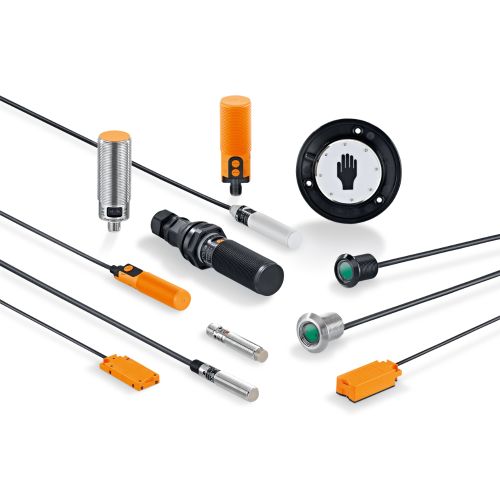
A complete NAMUR solution with 83 amplifiers (N5039A), 166 capacitive sensors (KG5079) and additional inductive sensors (NF5030) and pressure sensors (PN004A) is used so that the customer can reliably monitor and automate the processes within the potentially explosive atmospheres. This means that the customer can now reliably record process values such as fill levels, system pressures and position values. The KG5079 capacitive sensor offers reliable point level detection through non-metallic walls. The user can easily adjust the detection range using a potentiometer. A clearly visible display visualises the switching status.