Real-Time Oil Quality Monitoring in the Port Industry: Protecting Hydraulic Equipment with ifm Sensors
Why Real-Time Oil Quality Monitoring Matters in Port Operations
- Extend equipment life with predictive oil condition monitoring
- Reduce downtime and lower operating costs
- Designed for demanding port environments
In port operations, uptime is everything. Whether it's container cranes, straddle carriers, reach stackers, or heavy forklifts - these machines depend heavily on hydraulic and lubrication systems. Any contamination in the oil - be it solid particles or moisture - can lead to equipment failure, costly downtimes, and safety risks. That’s why real-time oil condition monitoring is no longer optional; it’s essential. With advanced analytical sensors, ifm offers a smart way to continuously monitor oil quality and protect critical port equipment.
Why oil quality monitoring matters at ports
Port machinery operates under tough conditions - heavy loads, 24/7 schedules, and exposure to marine environments. Hydraulic systems in these machines are susceptible to contamination from dust, water ingress, and system wear. Regular oil analysis in the lab is not only time - consuming but also reactive. Real-time oil condition monitoring from ifm helps move from reactive to predictive maintenance.
With continuous tracking of oil contamination and moisture levels, port operators can:
- Extend equipment life and reduce unplanned outages
- Eliminate guesswork from oil change intervals
- Increase the availability of cranes, reach stackers, and carriers
- Reduce operating costs and maintenance effort

What does the ifm oil quality monitoring system offer?
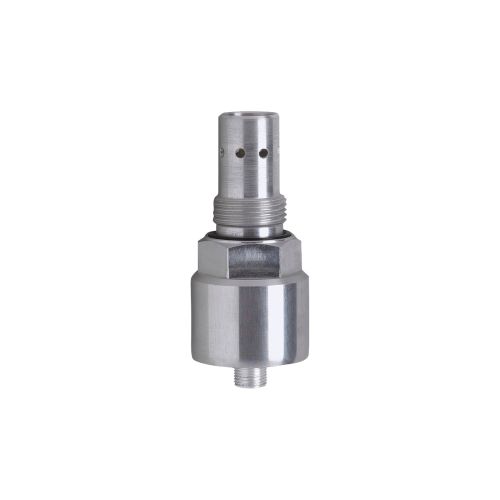
Oil particle monitor (LDP series)
This sensor continuously monitors the cleanliness of hydraulic oil based on ISO 4406 or SAE AS4059E standards. It’s perfect for applications like ship-to-shore cranes, RTGs (rubber-tyred gantry cranes), and straddle carriers, where hydraulic systems must perform reliably every time. With analog and CAN outputs, the LDP series easily integrates into existing monitoring systems.
Oil moisture sensor (LDH series)
Especially useful in humid port environments, this sensor tracks relative humidity in oil to detect water ingress early. Salt-laden air and temperature swings can cause condensation in hydraulic reservoirs - making moisture monitoring critical for long-term machine health.
Benefits for port operations
- Fewer unexpected failures: Detect oil degradation or moisture build-up before it affects performance
- Lower operating costs: Fewer oil changes, less unplanned downtime
- Higher availability: Keep cargo moving with reliable port equipment
- Better sustainability: Reduce oil waste and disposal needs
Designed for demanding port environments
ifm's robust sensor designs are built for the harsh conditions of maritime operations. Whether installed on mobile equipment or fixed installations, these sensors withstand vibration, temperature extremes, and high - pressure conditions common in port terminals.
Applications include:
- STS cranes (ship-to-shore)
- Reach stackers and forklifts
With IO-Link or CAN interfaces, ifm sensors provide real - time data to central control systems - enabling remote diagnostics and smarter maintenance scheduling.
Conclusion
For the port industry, downtime isn't just a technical issue—it’s a logistics bottleneck. ifm's oil quality monitoring systems offer a proactive way to ensure the reliability and safety of hydraulic-powered equipment. With continuous insights into oil condition, port operators can increase machine uptime, lower maintenance costs, and streamline operations.
Make your port equipment work smarter - not harder. Discover how ifm can help protect your most valuable assets today.