Green Hydrogen Production: Why Reliable Process Monitoring Is the Foundation of Success
Process Monitoring for Efficient Green Hydrogen Production
- Precision Monitoring for Electrolysis Performance
- Ensuring Water Quality and Process Stability
- Building Reliable and Scalable Hydrogen Plants
Green hydrogen is rapidly becoming one of the most important pillars of the global energy transition. As industries look for ways to reduce carbon emissions and move towards cleaner operations, hydrogen produced from renewable energy offers significant potential for decarbonising sectors such as steel, chemicals, refining, mobility, and power generation.
However, producing green hydrogen efficiently and reliably requires much more than renewable electricity and electrolyser technology. Behind every successful hydrogen plant lies a network of sensors and monitoring systems that ensure stable process conditions, operational safety, and consistent performance.
At ifm, reliable process monitoring helps operators maintain control over the critical parameters that directly influence hydrogen production efficiency and equipment longevity.
Green Hydrogen Production Demands Process Precision
The principle behind green hydrogen production is straightforward: renewable electricity is used to split water into hydrogen and oxygen through electrolysis.
In reality, electrolysis is a highly sensitive process where even small variations can affect performance and operating costs. To achieve stable and efficient hydrogen production, several key process parameters must remain within defined limits:
- Water quality
- Electrolyte concentration
- Process temperature
- Pressure conditions
- Flow rates
Continuous monitoring of these variables is essential to ensure optimal operating conditions and protect valuable plant assets.
Why Water Quality Matters
Water is the primary raw material in green hydrogen production, making its quality a critical success factor.
Electrolysers require high-purity water to operate efficiently. Variations in water conductivity can impact process performance and may contribute to:
- Increased stress on membranes and diaphragms
- Reduced electrolysis efficiency
- Higher risk of corrosion
- Premature wear of critical components
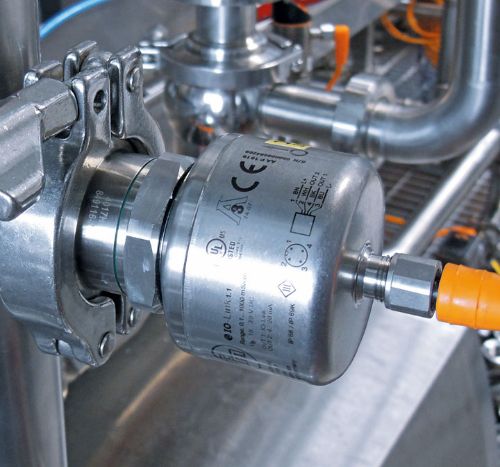
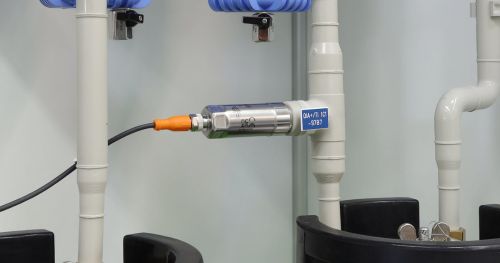
Conductivity sensors enable continuous monitoring of water and electrolyte quality, helping operators maintain the required conditions for efficient hydrogen generation. Rather than relying on periodic testing, real-time measurement provides immediate visibility into process changes and supports faster corrective action.

Maintaining Stability Throughout the Electrolysis Process
Stable operating conditions are essential for maximising hydrogen output and extending equipment life.
Changes in temperature, pressure, or electrolyte concentration can reduce process efficiency and increase operational risks. Continuous measurement allows operators to maintain tighter control of their electrolysis systems while minimising process fluctuations.
Reliable sensor technology supports:
- Stable process conditions
- Consistent hydrogen production
- Improved operational efficiency
- Reduced risk of unexpected process deviations
As hydrogen plants scale from pilot projects to commercial production facilities, maintaining this level of process control becomes increasingly important.
From Process Data to Actionable Insights
Modern hydrogen facilities generate vast amounts of operational data. The real value lies not only in collecting this information but also in transforming it into actionable insights.
Through continuous monitoring and integrated diagnostic capabilities, operators gain real-time visibility into process performance.
This enables teams to:
- Detect deviations before they become critical
- Identify efficiency losses early
- Protect sensitive electrolyser components
- Maintain safe operating conditions
- Optimise overall plant performance
Having access to reliable process data helps shift operations from a reactive maintenance approach to a proactive and predictive strategy.
Improving Reliability and Reducing Downtime
Electrolysis systems represent a significant investment, making reliability a key consideration for plant operators.
Unexpected downtime can affect hydrogen output, increase maintenance costs, and delay production targets. Continuous monitoring helps identify developing issues before they result in equipment failure or process interruptions.
Benefits include:
- Higher plant availability
- Reduced maintenance requirements
- Lower lifecycle costs
- Improved asset utilisation
For facilities operating continuously, maintaining reliability is essential for achieving long-term economic viability.
Supporting Sustainable Hydrogen Production
Sustainability extends beyond the production of green hydrogen itself. The efficiency of the production process also plays a crucial role.
Reliable monitoring helps optimise resource utilisation by supporting:
- Efficient use of water
- Reduced energy consumption
- Longer service life of electrolysis stacks
- Lower maintenance-related waste
- Improved overall process efficiency
By ensuring that resources are used effectively, operators can improve both environmental performance and operational economics.
Preparing for the Future of Hydrogen
As green hydrogen projects continue to grow in scale and complexity, process transparency and reliability will become increasingly important.
Successful facilities will depend on more than production capacity alone. They will require:
- Continuous process monitoring
- Accurate measurement technology
- Stable operating conditions
- Reliable sensor data
- Efficient asset management
By focusing on these fundamentals, operators can build hydrogen production systems that are not only sustainable but also efficient, scalable, and future-ready.
Conclusion
Green hydrogen has the potential to transform the future of energy and industrial decarbonisation. Yet achieving reliable and efficient production requires precise control over every stage of the electrolysis process.
Continuous monitoring of water quality, conductivity, temperature, pressure, and other critical variables helps ensure stable operation, protects valuable equipment, and improves overall plant performance.
With reliable sensing and process transparency, operators can move beyond simply producing hydrogen. They can create a robust and efficient production environment that supports long-term sustainability, operational excellence, and the continued growth of the hydrogen economy.